Pom
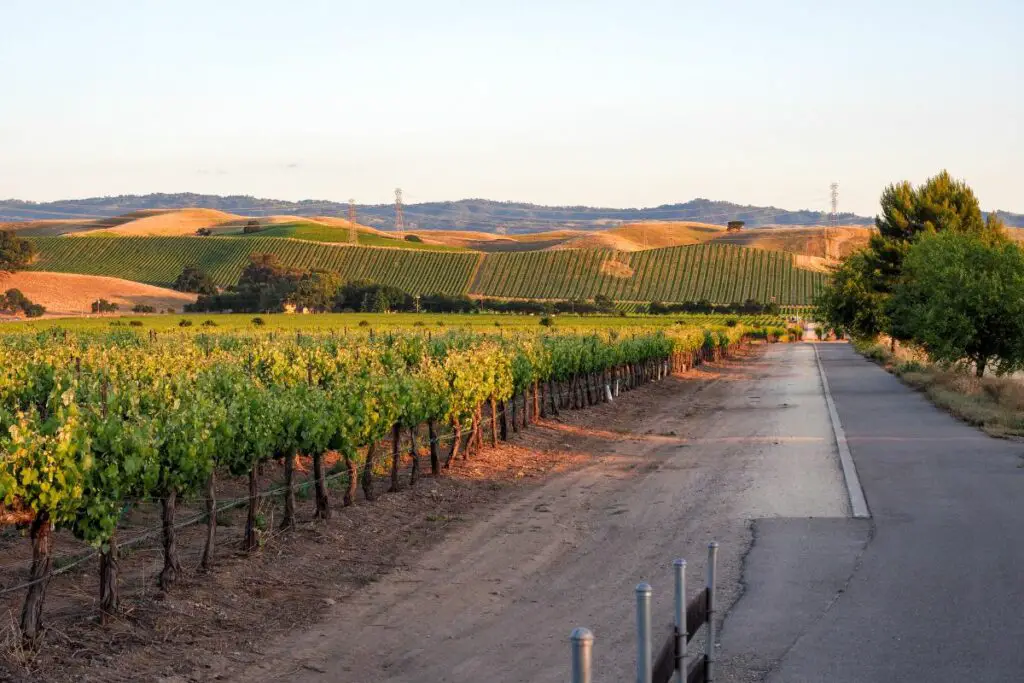
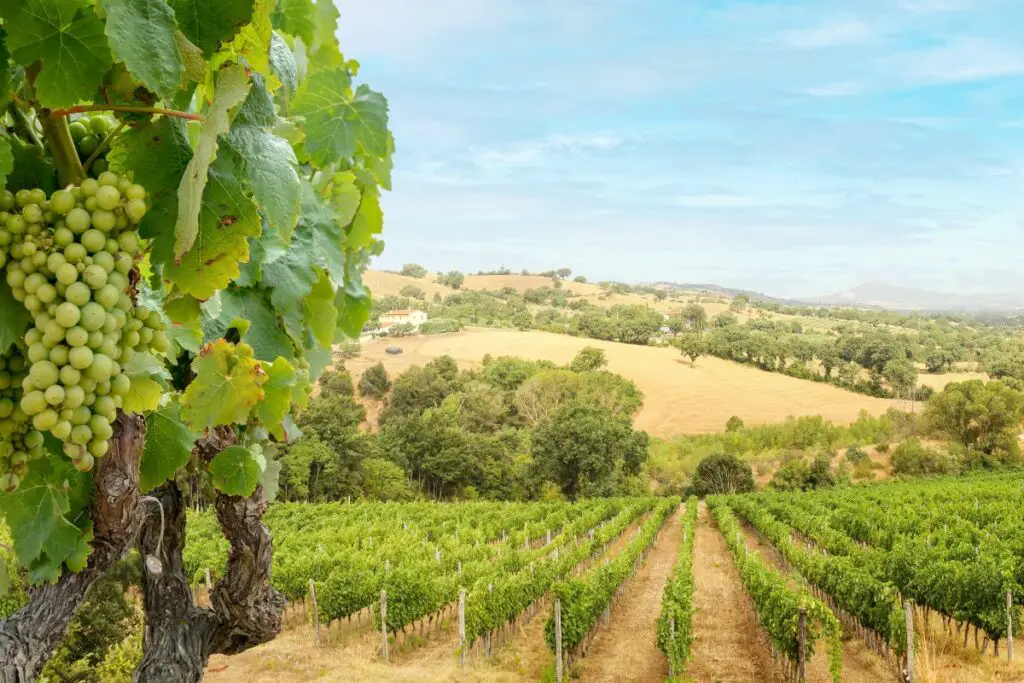
erol is the smallest wine producing area in Bordeaux however although it is tiny, Pomerol is famous world over. The vineyards are located 19 miles north east of Bordeaux and 2 miles from the city of Libourne on a slightly rolling plateau, that slopes gradually towards the Isle river valley and its confluence with the Dordogne. The vineyards cover 1976 acres and produce sumptuous, exuberant wines which are constantly sought after.
Pomerol was once a sub-appellation of Saint Emilion, and was only granted independent status in 1900. The name is derived from the Latin word “poma” used by both Virgil and by Horace, to describe fruits with
pips - notably grapes. Pomerol's viticulture dates back a long way: the plateau there was crossed by two Roman roads, one of which was used by the poet Ausonius to go to his villa, Lucaniac. The wine making tradition began by the Romans was continued by the Knights Hospitaller who also created a hospital for pilgrims passing on their way to the cathedral in Santiago de Compostela.
The Knights Hospitaller is a Christian order that began as an Amalfitan hospital founded in Jerusalem in approximately 1080 to provide care for poor, sick or injured pilgrims to the Holy Land. During the ages it has not always borne the same name. Known as Hospitallers of Jerusalem until 1309, the members were called Knights of Rhodes from 1309 till 1522, and have been called Knights of Malta since 1530. After the Western Christian
reconquest of Jerusalem in 1099 during the First Crusade, it became a religious/military order under its own charter, and was charged with the care and defence of the Holy Land. Following the conquest of the Holy Land by Islamic forces, the Order operated from Rhodes, over which it was sovereign, and later from Malta where it administered a vassal state under the Spanish viceroy of Sicily. The Commandery of the Knights Hospitaller took possession of Pomerol in the 12th Century and the Pomerol Commandery is the oldest Commandery in Aquitaine, whilst the oldest in France is Villedieu les Poëles, in Normandy.
Despite its history and the fine wines Pomerol produces it is something of an anomaly when compared to the other famous communes of Bordeaux, as there are no grand estates and most of the wine making is made by petit chateaux and family growers. It is sparsely populated and contains several hamlets: Catusseau, Cloquet, Grand and Petit Moulinet, Maillet, Pignon and René – its population is below 1000. Although Pomerol has never had its Châteaux officially ranked in the 1855 Classification it is home to some of the most famous of wines – Château Pétrus and Le Pin which
are unofficially grouped with the Premier Grande Crus (First Growths) of Bordeaux.
Soil in Pomerol is a unique, outstanding geological phenomenon. The topsoil is made up of gravel that varies in compactness, with layers of clay and sand. The subsoil includes iron oxide, locally called "crasse de fer". This soil, combined with a special micro-climate, accounts for the personality of Pomerol's wines. Pomerol runs from north west to south east, rising to a height of about 140 feet above sea level at its highest point, then falling away towards Saint Émilion.
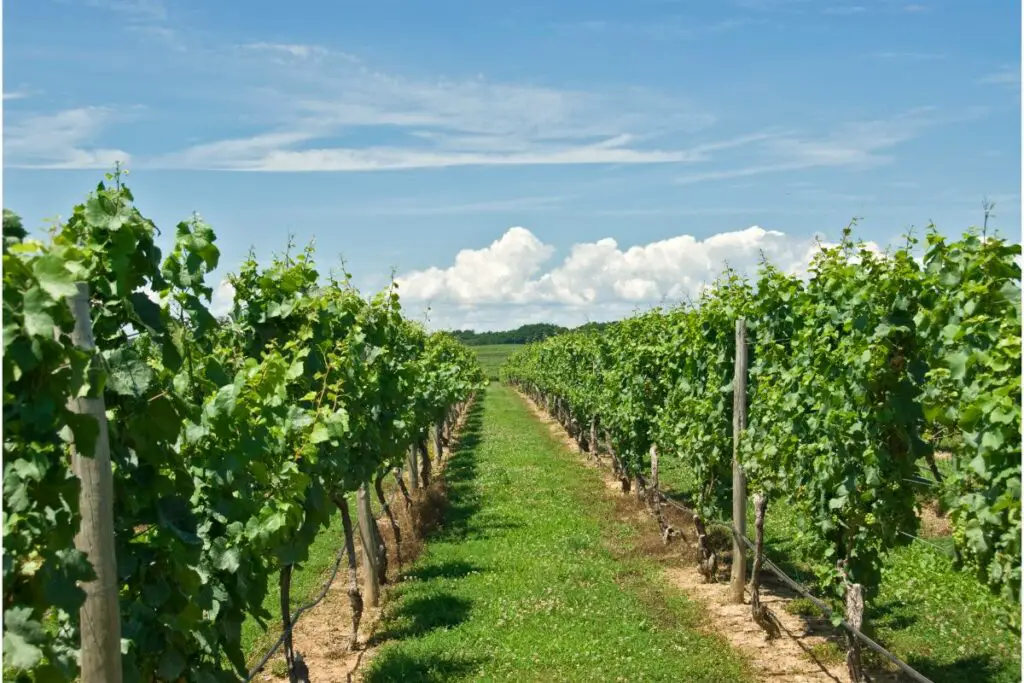
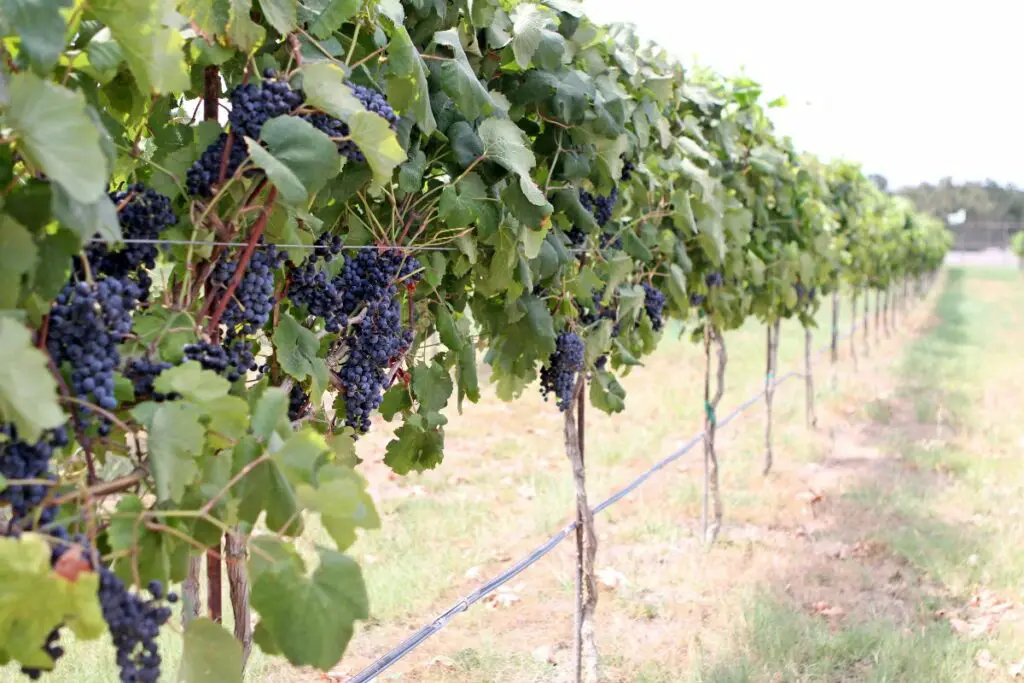
Merlot accounts for 80% of vines planted, with the remainder divided between Bouchet or Cabernet Franc (15%) and Cabernet Sauvignon (5%). This high composition of Merlot in their blends means that the wines are considered the gentlest and least tannic and acidic of Bordeaux wines. Cabernet Franc helps to contribute to the dark, deep colouring that is
typical of Pomerol wines.
Pomerol's wines are smooth, rich and velvety with an intense plummy fruitiness. The wines are gentle with a lush ruby colour and an elegant bouquet. Due to the reduced tannins found in these wines they can typically be drun
k much younger than other red Bordeaux although they are at their best when the bottle reaches 15 years old.
I have a regional recipe for Roast Lamb called La Gasconnade which is lovely with these wines. La Gasconnade uses anchovies and garlic and these are a marvellous combination with the lamb. Don't be put off by the quantity of garlic as when cooked it will have dissolved into a gentle purée.
La Gasconnade
1 leg of lamb
12 anchovy fillets
1 lb garlic
175 ml bouillon
Pierce the leg of lamb with a sharp knife and insert slivers of garlic and anchovy into the slits made in the meat. Pre heat the oven to 230ºC, 450ºF, Gas Mark 8 and cook for 20 mins. Reduce the heat to 180ºC 350ºF Gas Mark 4 (allow 15 minutes to 500g/1 lb).
While the leg is cooking peel the rest of the garlic cloves and blanch them in boiling water until they are almost cooked, then throw them in cold water for 20 seconds and drain them. Heat the bouillon in a saucepan, add any pan juices and the garlic and reduce the sauce until it is almost a purée. Serve as a garnish to the lamb.