Tel: 0800 8766958

My basket 0 items  | Total: 0.00


Saint Estèphe

Saint Estèphe is the most northern appellation of the Haut-Médoc. It sits on the left bank of the Garonne and is the closest appellation to the mouth of the River Gironde, where it joins the Atlantic Sea. During the 1855 Classifications of Bordeaux wines Saint Estèphe was awarded 5 Grands Crus Classés – Château Cos d'Estournel and Château Montrose being the stars of this appellation. Saint Estephe also has over 40 Cru Bourgeois including the Cru Bourgeois Exceptionnels.

Saint Estèphe was known as Saint Esteve de Calonne until the 18th century and Esteve or Estèphe is a corruption of Etienne – the old French for Stephen. Saint Stephen was one of the first disciple of Jesus
to be martyred. He was was stoned to death in Jerusalem and is the Patron Saint of Stonemasons. In pre Roman times Saint Estèphe was a centre of metallurgy being the home of iron ore deposits so m
aybe the early quarrying lead the way to the settlement being named for the Saint. The Calonnes part of the name comes from callus, meaning wood, and Calon, small vessels carrying timber across the river.

Many of the chateaux in Saint Estèphe have found Roman coins and vases in the soils as the
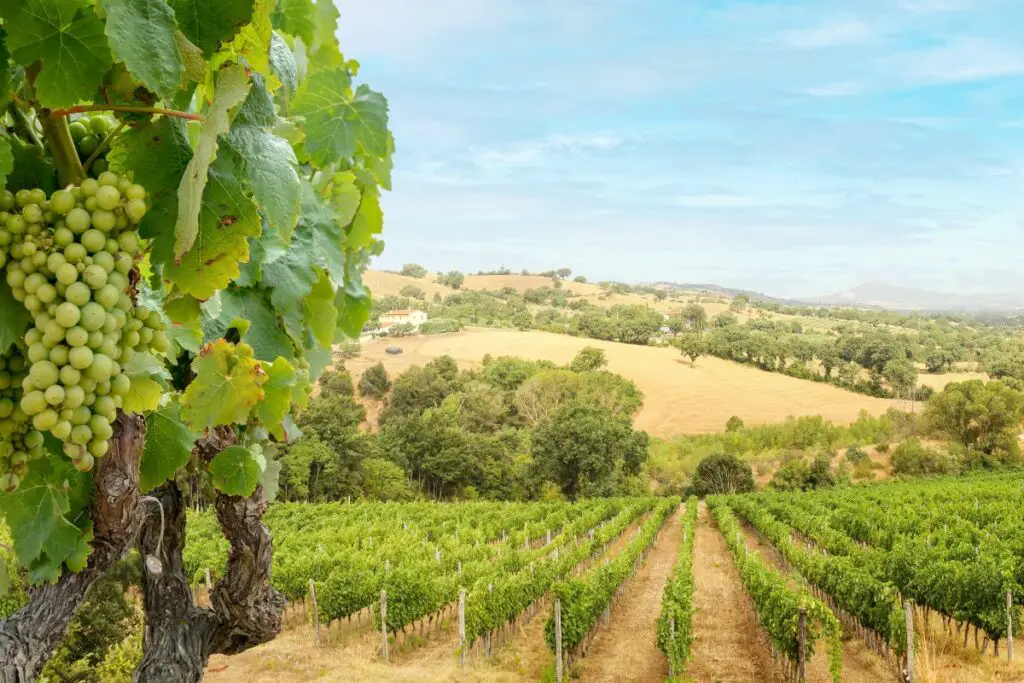
Romans had villas and vineyards there. The terroir has long been suited to grape growing and the appellation lies on layers of gravel on top of clay washed ashore from the Gironde and the harvest is one of the latest of the whole region. It has less gravel, and more clay, than upstream towards Margaux. This soil drains more slowly and gives the vineyards an advantage during dry summers. The soil is cooler, delaying ripening, and leave the grapes higher in acidity that their more southern counterparts.

Quartz and well rounded pebbles mingled with light, sandy surface soil are found everywhere, giving the wines a distinctive finesse. And the subsoil is made up of the famous Saint Estèphe limestone, which outcrops on the west of the appellation.

While Cabernet Sauvignon is the dominant grape, Saint Estèphe has more planting of Merlot than any other area on the Left Bank. Other grapes grown are Cabernet Franc, Petit Verdot, Carmenère and Malbec. Saint Estèphe wines are dark and opaque in colour, earthy, firm, robust and tannic. The tannins and acidity come from the rich and heavy clay and Merlot softens the wines. They reach their maturity slower than other Médoc wines so they can be laid down for a very long time while yet preserving their youth and freshness. They are known for their exceptional backbone with aromas of great finesse.

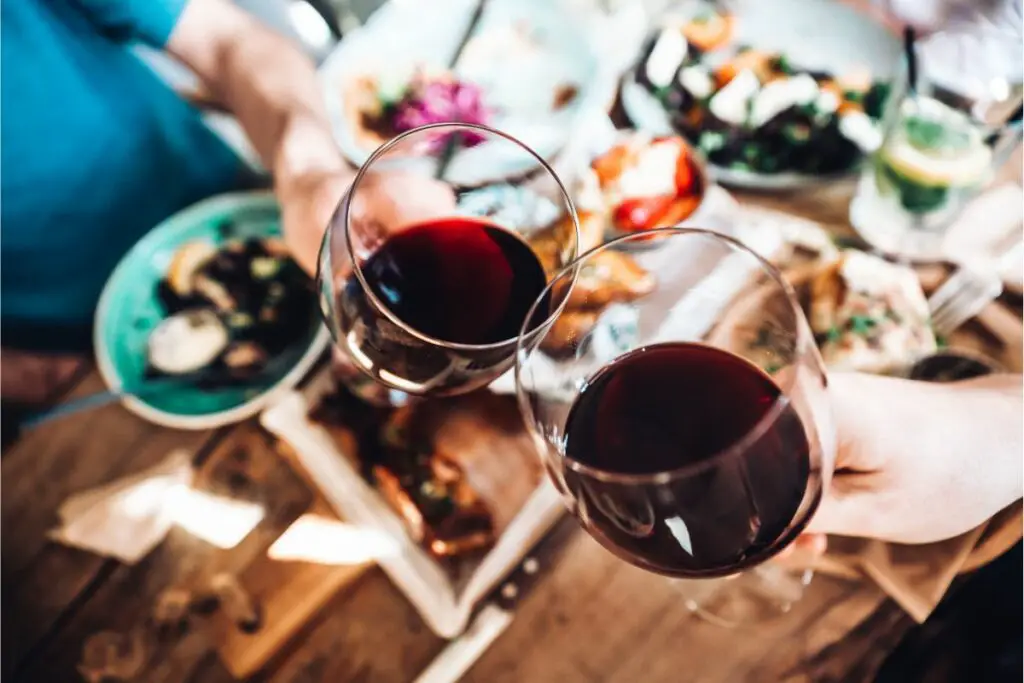
These wines pair beautifully with game and regional recipes abound for cuissot de sanglier, (haunch of boar), perdreaux rôtis sur canapés (partridge on canapés), bécasse flambée (woodcock flambé) and gigue de chevreuil marinée dans le vin
du pays (venison haunch marinated in the local wine). There is a super recipe for Chevreuil à la Montmorency which is basically Venison with Cherry and Port Sauce. Dishes à la Montmorency are made or served with cherries. The term comes from the Montmorency Cherry which is a variety of sour cherry (Prunus cerasus) – the cherry tree was supposedly named for a valley in France owned by the Montmorencys, one of the oldest and most distinguished families in France.

Chevreuil à la Montmorency 


½ cup port
½ cup cherries in syrup (Morello will do if you can't find Montmorency)
½ tsp dried thyme
1 cup beef stock
handful of whole allspice
handful of juniper berries
½ tsp salt, divided
½ tsp pepper
6 venison steaks
2 tsp butter
4 minced shallots
2 garlic cloves, minced
2 tsp water
1 tsp cornstarch

Combine the port, cherries, stock and thyme in a saucepan. Bring to a boil. Remove from heat. Cover; set aside. Place allspice and juniper in a spice or coffee grinder; process until finely ground. Sprinkle ½ tsp allspice/juniper mixture, ¼ tsp salt, and pepper over venison. Melt butter in a frying pan, add venison; cook 5 minutes on each side or until browned. Reduce heat to medium; cook 3 minutes on each side or until desired degree of doneness. Remove venison from pan; keep warm.

Add shallots and garlic to the pan, sauté 2 minutes. Add cherry mixture, 1 tsp allspice/juniper mixture, and ¼ tsp salt; bring to a boil. Reduce heat; simmer, uncovered, until reduced to 1 cup (about 3 minutes). Combine water and cornstarch; add to cherry mixture. Bring to a boil; cook 1 minute, stirring constantly. Serve sauce with venison.


Zen-Cart eCommerce website design and hosting by JSWeb
View mobile version

SSL Certificate Provider