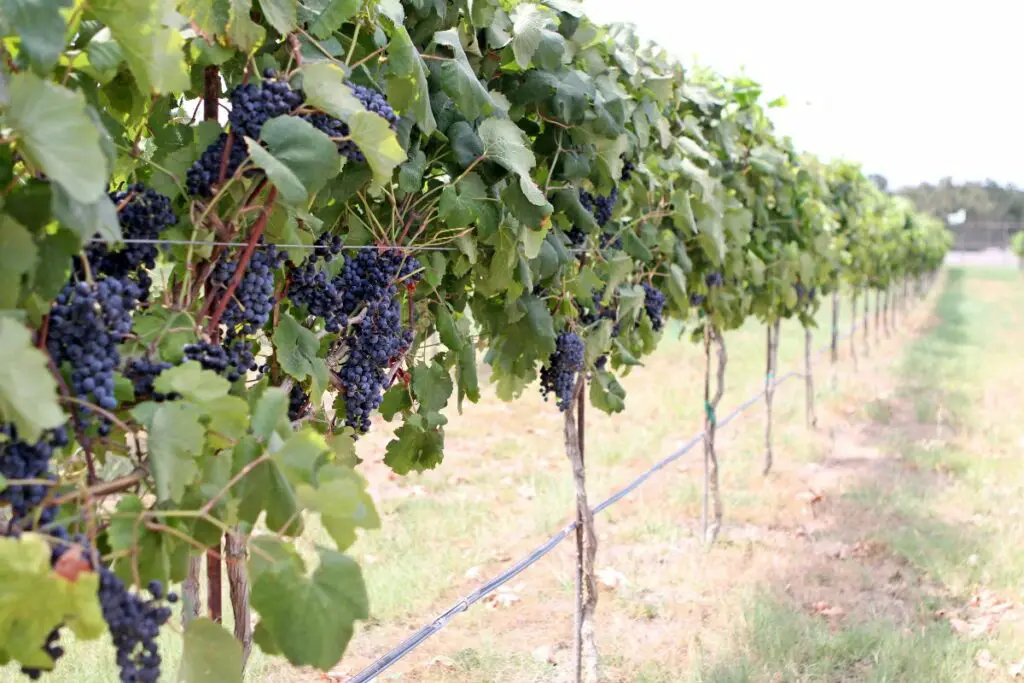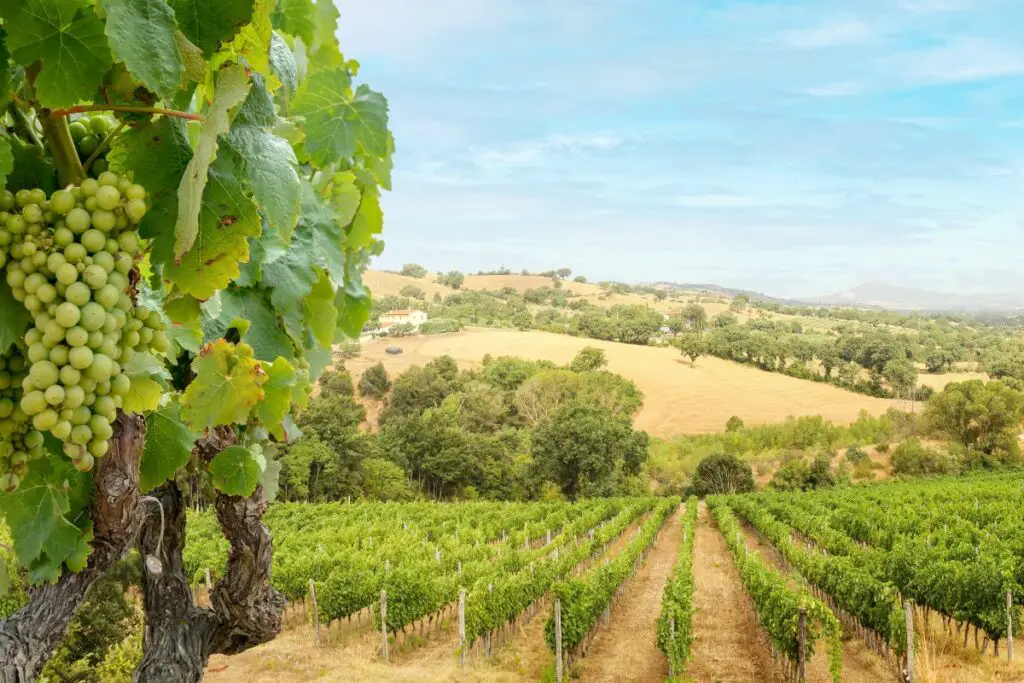
The Côtes de Francs is now known as the AOC Francs - Côtes de Bordeaux. The region primarily produces red wines from Cabernet Sauvignon, Cabernet Franc, Merlot and Malbec but also makes a small amount of dry white wine from Sauvignon Blanc, Sémillon and Muscadelle. Sweet wine made in the Côtes de Francs is sold under the label of The Premières Côtes de Bordeaux. The Côtes de Francs is the smallest of the Côtes de Bordeaux AOC's and consists of 3 villages: Francs, Tayac and Saint Cibard - and is only 10 km east of Saint Emilion. Centuries ago the wines from the Côtes de Francs were bought mainly by the vintners of Saint Emilion to improve their wines. The terroir is similar as the Côtes de Francs lies on the same rock plateau as Saint Emilion and Pomerol, known in ancient times as the “the Plateau of Wonders” because of the excellence of its wines.
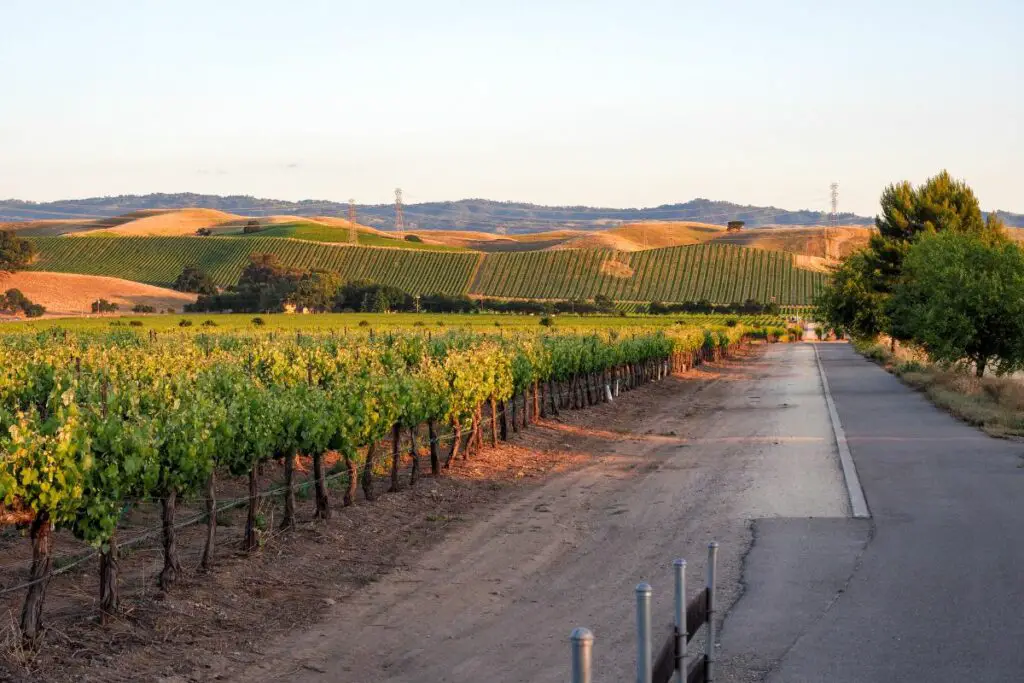
The Côtes de Francs is one of the highest AOCs in Bordeaux at an altitude of 110 metres and the soils are argilo-siliceous and argilo-silico-limestone based. This characteristic gives to the wines more structure and the vine growers do not need to use new barrels as the tannins in the grapes are enough to structure the wine. The average area of the vineyards, often family-based,
is only 6 ha, making for traditional and authentic products. The red wines are distinguished by their dense colour. Full-bodied and opulent, they have remarkable harmony and fine tannins. When young, their nose contains notes of red berries. As time passes, their aromas transform into notes of prune, leather and vanilla. Pleasant to drink young, these wines have a potential to age from 5 to 10 years. There are also some rare bottles of white Côtes de Francs that are blends of Sémillion (60%) and Colombard (25%).
The Côtes de Francs takes its name from the commune of Francs which has ancient roots. When Clovis, the first King of the Franks defeated the Visigoths, killing their King Alaric II in 507 he seized their French lands, including Aquitaine (Bordeaux). The armies settled in a place called "ad Francos" (belonging to the Franks) and this became the village of Francs. The Franks took their name from the Latin francisca (meaning javelin) and it certainly backs up their fierce reputation. Clovis I became the first King of all Franks in 509, when he conquered the kingdom of Cologne. He established Frankish rule over most of Gaul, excluding Burgundy, Provence, and Brittany, which he left to his successors, the Merovingians, to conquer. He also introduced Christianity to Gaul and was married to the Christian Burgundian princess Clotilde.
The neighbouring town of Saint Cibard is named for the Roman
patrician Eparcus (Eparchius) who had a villa there. Over the centuries Eparchius's name changed into Cibard or Cybard. Nestled in the hollow of a valley protected from wind Saint Cibard occupies a privileged position on the higher slopes of the Gironde, extending to the east those of St Emilion. Eparchius was the son of Felix and Aureolus Principia and was born c 493 in Perigord. He lived as a hermit priest in Angouleme devoting himself to prayer. He became the abbot of a small circle of followers and the donations that the faithful brought him he spent on feeding the poor and ransoming prisoners. He frequently obtained clemency for condemned criminals by his persuasive pleas for mercy before the judges. In one case when Eparchius’ petitions to win pardon for a criminal were thwarted by a mob demanding his blood he sent a monk in his place telling him that God would spare the man. True enough the condemned man fell from the gallows where he had been hung. The monk picked him up, and finding him alive and well, took him to Eparchius. Eparchius told the count who had ordered the criminal’s execution, “You did not listen, but God deigned to listen.”
The commune of Tayac has even earlier origins – it is located on a route starting from Neolithic Aubeterre and joining Castillon on the Dordogne. The town owes its fame to the discovery in 1893 of the Treasury of Tayac. A peasant ploughing his field came across the chance discovery of this rigid, solid gold necklace, called a torque (worn by Gallic chiefs), and weighing some 762 grams. The necklace had been buried with two terracotta vases, 325 Gallic gold coins and 73 small ingots. The collection is thought to date to the second phase of the Iron Age. It is a mystery as to why they were buried in a remote and random location but it's possible it was part of a ritual funeral ceremony or was buried before a battle. It is one of the Musee d'Aquitaine's prized exhibits.
The Côtes de Francs has been recognised as a promising appellation with several famo
us wine growing families buying château there. Dominique Hebrard , previously co-owner of Chateau Cheval Blanc, and Hubert de Boüard-owner and oenologist of Chateau Angélus were among the first to arrive when they bought Chateau de Francs. Thanks to the efforts of these dynamic entrepreneurs, the Côtes de Francs have started catching up with their past glories of the last century, when their commercial value was on a par with that of the wines of Saint Emilion.
Towering above the landscape, Chateau de Francs is an architectural marvel of the Middle Ages surrounded by a magnificent vineyard, and has 40 hectares of vines planted on the famous clay-limestone soils. Chateau de Francs was originally an important military stronghold controlled by the English until the battle of Castillon in the 15th century. Only a part of the castle building were used as a residence for the lord, the rest being reserved for the soldiers who must have been in the region of 300 in number, along with their animals and retinue. The chateau was the birthplace of the de Segur family who had placed their chateau and arms at the service of the English, but were forced to sell later, once Aquitaine had become French again under King Henry IV.
The Thienpont Family (owners of Vieux Chateau Certan in Pomerol) al
so have a strong presence in the Côtes de Francs. George Thienpont, bought Chateau Puygueraud, which dominates the whole appellation, in 1946. Upon his arrival he found the vineyards in ruins and set about revitalising them through the planting of cereals and raising of cattle. It was only at the end of the 1970s that he began replanting the vineyards and in 1983, the first wine was produced. Nicolas Thienpont also owns Châteaux La Prade and Laclaverie and Dominique Thienpont owns Clos Fontaine and Cuvée Dominique.
I thought a recipe for Côte de Boeuf would be appropriate when writing about the Côtes! Côte de Boeuf is Rib of Beef and it is superb with Béarnaise Sauce.
Côte de Boeuf (Rib of Beef) with Béarnaise Sauce
For the Béarnaise Sauce:
240g unsalted butter
2 tbsp white wine vinegar
4 tbsp finely chopped tarragon
30 g finely chopped shallots
10 peppercorns, crushed
4 egg yolks
1 tbsp cold water
2 tbsp finely chopped chervil, (optional)
squeeze of lemon juice
freshly ground salt and black pepper
First clarify the butter. Put it in a small saucepan over low heat. When the milky sediment rises to the top, either skim off the sediment with a spoon or pour the butter thro
ugh a small muslin-lined sieve set over a bowl. Put the vinegar, 2 tablespoons of the tarragon, the shallot and crushed peppercorns in a small, heavy-based saucepan. Simmer gently until reduced by half. Remove from the heat and allow to cool. Add the egg yolks and cold water to the vinegar mixture. Set the pan over low heat and whisk continuously for about 10 minutes until the sauce emulsifies. Do not allow it to reach boiling point. Remove the pan from the heat. Whisk in the clarified butter a little at a time. Season to taste, then push the sauce through a fine sieve. Stir in the remaining tablespoon of tarragon, the chervil and lemon juice to taste.
Côte de Boeuf
2 x 450g côte de boeuf (rib steaks, bone in)
1 dash of olive oil
2 tbsp tarragon leaves
1 lemon, juice only
6 tbsp béarnaise sauce
2 bunches watercress
Preheat the oven to 200C/gas 6. Season the beef with salt and pepper to taste and heat a little olive oil in an oven proof pan or roasting tin. Add the beef to the pan and fry until golden-brown on both sides. Transfer the beef to the hot oven and cook for 10 minutes. When the beef is cooked, cover with aluminium foil and leave to rest in a warm place for 5-8 minutes. Mix together the tarragon, lemon juice and Béarnaise sauce. Serve the steaks hot with the Béarnaise sauce and watercress on the side.